



Ever found yourself at the DIY store, staring at bags labelled “cement” and “concrete,” wondering if they’re the same thing? You’re not alone! This is a common question, and this article will answer it clearly. Despite being used in virtually every construction project, these two words—cement and concrete—are frequently confused. People use the terms interchangeably, which leads to a lot of misunderstanding. Here’s the truth: while they’re closely related, cement and concrete are about as similar as flour and cake batter.
For the average person, or most people, the difference between cement and concrete isn’t always obvious. In fact, many have thought that the names are just different labels for the same thing, but that’s not the case. The confusion exists because of how people have historically referred to these materials, and the thought that they are interchangeable has stuck around.
Let’s clear up this confusion once and for all. In this article, we’ll explore what makes each material unique and when you should use them.
What is cement?
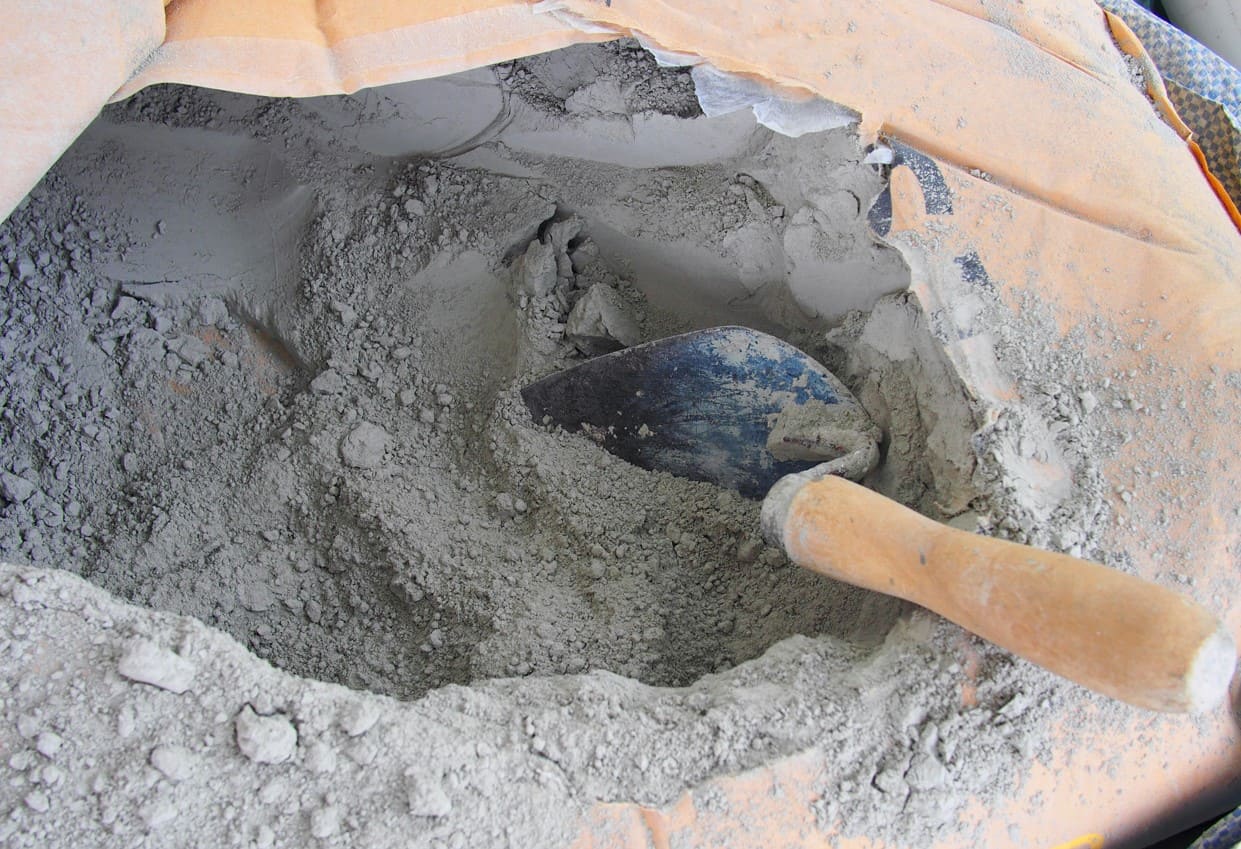
Think of cement as the glue that holds everything together. In construction, the term ‘cement’ means a fine manufactured mineral powder that serves as a crucial binding agent in building materials. It’s never used alone in construction projects; much like you wouldn’t eat raw flour and call it a meal, you can’t use cement by itself and expect it to work effectively.
Cement is created by heating raw materials such as limestone, chalk, and clay at extremely high temperatures (around 1,450°C) in a kiln. This process produces clinker, which is then ground into the fine manufactured mineral powder we recognise as cement. When mixed with water, cement is activated and undergoes a chemical reaction called hydration, forming a paste that acts as a binder and binds other materials together. Portland cement is the most common type of cement used in construction due to its reliable performance and versatility.
The key point here is that cement is always an ingredient in something else—whether that’s concrete, mortar, or screed. It acts as the binding agent that makes these mixtures possible, but it’s never the finished product on its own. Thanks to its properties, cement offers a variety of uses across different construction projects and industries.
What is concrete?
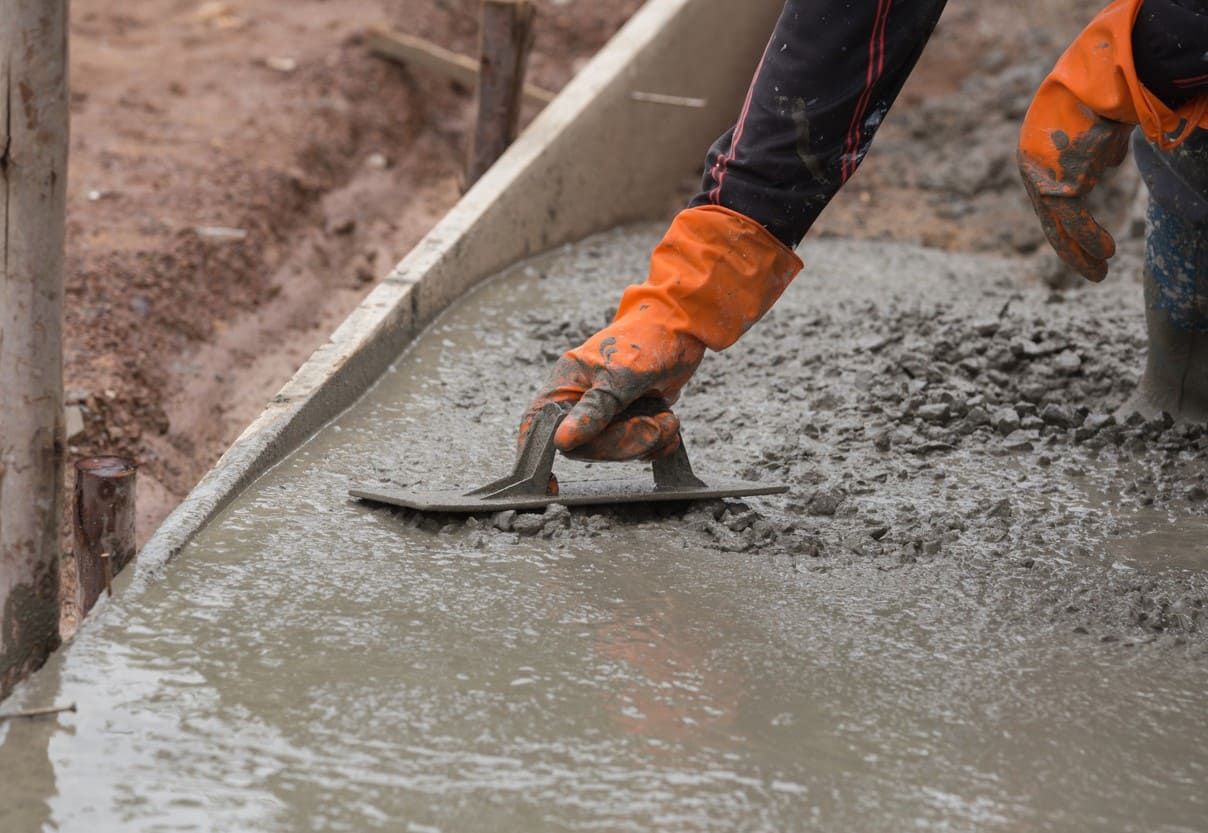
Concrete, on the other hand, is the finished product—a composite material composed of cement, water, and aggregates such as sand, gravel, or crushed rock. The combination of these materials forms concrete, a building material that is both versatile and durable. If cement is the flour in our baking analogy, then concrete is the fully baked cake.
When these components combine, they undergo a chemical reaction that creates a material which starts as a workable, semi-liquid substance but hardens into an incredibly strong and durable solid. Concrete is the most widely used man made material on Earth and is a popular material in construction due to its adaptability and strength. There are many ways to modify concrete mixes to meet specific strength and performance requirements, including the use of premixed concrete for convenience and consistency. Good concrete, achieved through the right combination and proportions of materials, offers durability, resistance to fire, mould, and rot, and improved indoor air quality.
Concrete is commonly used in a wide range of projects, from garden patios, slabs, and driveways to massive infrastructure projects like bridges, motorways, and skyscrapers. With decades of industry experience, professionals ensure that concrete mixes are designed to meet the demands of each application, making it one of the most reliable and essential building materials available.
Cement vs concrete: key differences
Now that we’ve established what each material is, let’s examine the crucial differences that make them unique:
Composition: Cement is a single binding powder, whilst concrete is a mixture of cement, water, and aggregates. Think of it as the difference between an ingredient and a recipe.
Usage: Cement binds materials together, serving as the “glue” in various mixtures. It is suitable for small projects, such as filling cracks or joints, and for repairing or repairing minor damage. Concrete is a finished construction material that can be poured, shaped, and used to build larger structures.
Durability: Concrete is significantly more durable than cement alone. Pure cement would crack and crumble under stress, whilst concrete can withstand tremendous loads and last for decades with proper care. Technically, concrete continues to cure indefinitely, which contributes to its long-term strength.
Application: You’ll never see cement used by itself on a construction site, except for small projects like filling or repairing cracks and joints. Concrete, however, is poured directly into foundations, driveways, and structural elements.
The role of cement in concrete
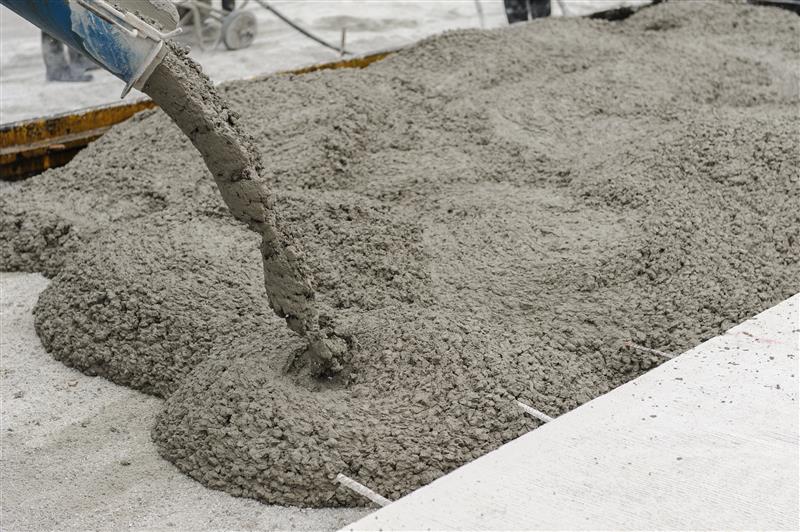
Understanding how cement works within concrete helps clarify why the two terms aren’t interchangeable. When cement is mixed with water, it forms a paste that coats and binds the aggregate particles together. Admixtures are often added to the mix to enhance properties such as durability, workability, and strength. Rebar is commonly embedded in concrete as reinforcement to increase tensile strength and prevent cracking, especially in structural applications. This process, called hydration, is what transforms a mixture of loose materials into solid concrete.
During hydration, the cement paste fills the spaces between aggregate particles, creating a dense, strong matrix. The chemical reaction continues for weeks or even months after the initial mixing, which is why concrete actually gets stronger over time rather than simply “drying out.” Concrete’s strength and durability make it an ideal material for constructing foundation walls, where structural integrity is essential.
The proportion of cement in concrete typically ranges from 10% to 15% by volume, but this small percentage is absolutely crucial. Without cement, you’d simply have a pile of wet sand and gravel that would never bind together into a solid material.
Other materials used with cement
Cement isn’t only used to make concrete. It’s also a key ingredient in several other construction materials:
Mortar combines cement sand and water to create a binding agent for brickwork and masonry. In traditional building practices, lime is often added to mortar to improve workability and enhance durability. Mortar is deliberately softer than concrete, allowing for slight movement in structures without cracking.
Screed uses cement-based mixtures to create smooth, level surfaces, typically for flooring applications. It provides an ideal base for tiles, carpets, or other floor coverings.
Render mixes cement with sand and water to create a protective and decorative coating for exterior walls.
Each of these applications requires different proportions and additives, but cement remains the binding agent that makes them all possible.
Why concrete is preferred for construction
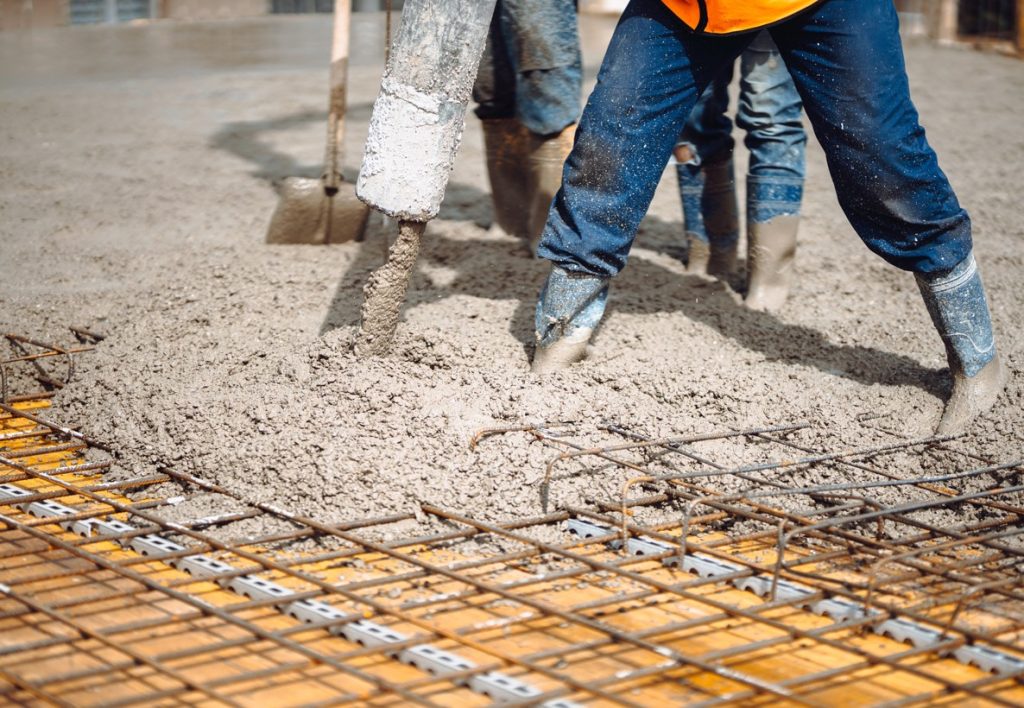
When it comes to building projects, concrete wins hands down for several compelling reasons:
Strength and longevity: Properly mixed and cured concrete can last for centuries. Roman concrete structures still stand today, testament to the material’s incredible durability.
Versatility: Concrete can be tailored for specific applications by adjusting the mix design. Need something waterproof? There’s a concrete mix for that. Requiring extra strength? Engineers can modify the recipe accordingly.
Cost-effectiveness: Despite its superior properties, concrete remains one of the most economical construction materials available, making it accessible for projects of all scales.
Workability: Fresh concrete flows like a thick liquid, allowing it to be poured into complex shapes and moulds. Once set, it maintains whatever form it was given.
Common misconceptions
The biggest mistake people make is using “cement” and “concrete” interchangeably in conversation. You might hear someone say they’re “cementing” a patio or ordering a “cement truck,” when they actually mean concrete.
This confusion often leads to ordering the wrong materials or using incorrect terminology when discussing projects with contractors. While most professionals will understand what you mean, using the correct terms demonstrates knowledge and can help ensure you get exactly what you need.
Another common misconception is that cement is stronger than concrete. In reality, cement alone is quite brittle and weak. It’s only when combined with aggregates that it creates the strong, durable material we rely on for construction.
FAQ
Here are answers to some of the most common questions about cement and concrete. If you need more details, this article serves as a comprehensive resource for understanding the differences and proper uses of each material.
Is cement stronger than concrete?
No, cement alone is actually quite weak and brittle. Concrete, which contains cement plus aggregates, is much stronger and more durable than cement by itself.
Can I use cement alone for construction?
Cement should never be used alone for construction projects. It must be mixed with aggregates and water to create concrete, or with sand and water to create mortar.
How long does concrete last?
With proper mixing, placement, and curing, concrete can last 50-100 years or more. Some Roman concrete structures have survived over 2,000 years.
Should I use cement or concrete for my driveway?
You should use concrete for your driveway. Cement alone would crack and fail immediately under vehicle loads. Concrete provides the strength and durability needed for this application.
What’s the difference between concrete and mortar?
Concrete contains coarse aggregates (gravel or crushed stone) along with cement, water, and sand. Mortar only contains cement, water, and fine sand, making it suitable for binding bricks and blocks rather than structural applications.
Conclusion
Now that you understand the difference between cement and concrete, you can make informed decisions about your construction projects. Remember: cement is the binding ingredient, whilst concrete is the finished construction material you’ll actually use.
Ready to get started with your concrete project?
At Mix-N-Go, we specialise in providing high-quality ready mix concrete tailored to your specific needs. Whether you’re laying a garden patio, building foundations, or tackling a major construction project, our expert team can recommend the perfect concrete mix for your application.
With our extensive range of concrete grades from C8 to C45, professional concrete pumping services, and reliable same-day or next-day delivery across Essex, we make it easy to get your project done right. Contact Mix-N-Go today for a free quote and discover why countless customers trust us for their concrete supply needs.
